
Introduction
Imagine a generator kicking on in the middle of a blackout—lights flicker back to life, machines hum again, and everything feels normal within seconds. Ever wondered what makes that smooth transition possible? The secret lies in generator control panels, the intelligent heart that manages and monitors your power system behind the scenes.
Most people focus on the generator’s size, fuel type, or brand, but the control panel is where the magic happens. It’s the bridge between human and machine, ensuring that power flows safely, efficiently, and automatically when it’s needed most. Without it, even the most advanced generator would be little more than an idle engine.
What Exactly Does a Control Panel Do?
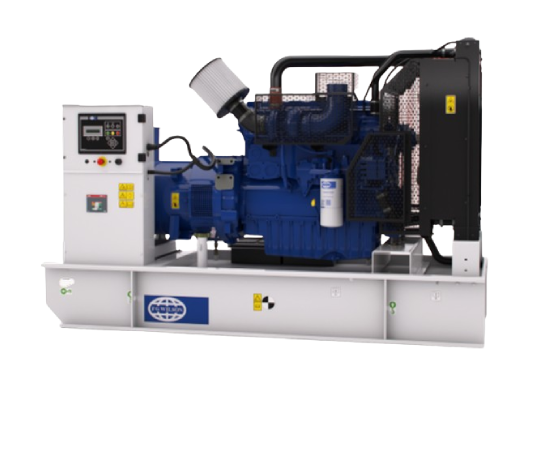
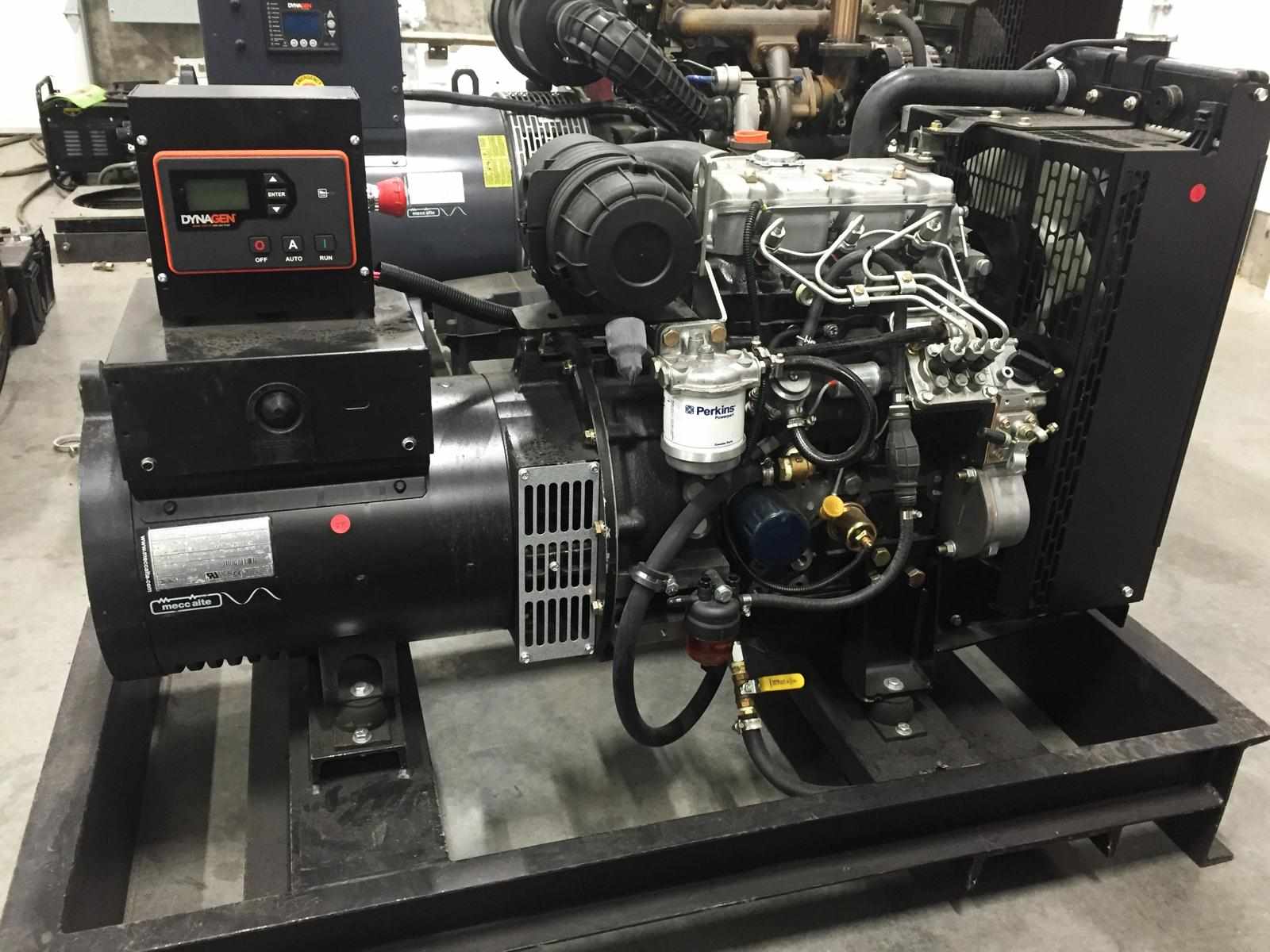
Think of a generator control panel as the generator’s command center. It houses all the buttons, screens, meters, and switches that let you start, stop, and monitor performance. But modern panels go far beyond that—they think for you.
They monitor voltage, current, frequency, and engine parameters in real time. When the main power supply fails, the panel signals the generator to start automatically. Once the grid is restored, it shuts the generator down, returning things to normal.
It’s a bit like having a silent technician standing guard 24/7, ready to respond faster than any human could. And for businesses or hospitals where downtime costs more than inconvenience, that kind of reliability isn’t optional—it’s essential.
The Evolution of Generator Control Panels
Back in the day, control panels were simple—manual switches, analog gauges, and little room for error correction. Operators had to be physically present to manage every transition. Today, things are a lot smarter.
Digital panels now use microprocessors and software integration to handle automatic operations. You can view diagnostics, fuel consumption, or load capacity right on a touch screen—or even remotely through an app.
Here’s the thing: technology hasn’t just made control panels more convenient; it’s made them safer. Built-in alarms and safety shutdowns protect both the generator and connected equipment from overloads or faults. And that’s no small deal when dealing with high-voltage systems.
Why They Matter More Than You Think
A generator’s performance isn’t just about horsepower or fuel—it’s about control. A well-designed panel ensures your power supply is stable and your generator runs efficiently.
Let’s break down a few ways these panels make all the difference:
Automatic Operation: No one likes scrambling during an outage. The panel takes care of it, starting and stopping the generator without manual input.
Load Management: It distributes electrical load evenly, preventing overuse and extending generator life.
Protection Features: From low oil pressure to overheating, the system can detect issues early and shut down safely to prevent damage.
Monitoring and Data Logging: Panels record performance metrics so you can track efficiency and spot problems before they escalate.
Remote Access: Many modern systems allow you to control and monitor your generator from anywhere—perfect for businesses managing multiple locations.
In short, the control panel transforms your generator from a basic machine into an intelligent, responsive energy system.

Where You’ll Find Control Panels in Action
Hospitals and Healthcare Facilities
Power interruptions here aren’t just inconvenient—they’re life-threatening. Control panels ensure seamless power transitions for critical systems like ventilators, operating rooms, and labs.
Factories and Industrial Sites
Manufacturing lines can’t afford sudden stops. Automated control panels maintain steady operations and protect sensitive equipment from voltage fluctuations.
Data Centers
In the digital world, even a few seconds of downtime can cause massive data loss. Control panels ensure uninterrupted power, syncing multiple generators in perfect coordination.
Commercial Buildings
Office towers, malls, and hotels depend on reliable energy for comfort and safety. Control panels simplify backup power management across large, complex electrical systems.
Each use case shows how crucial these panels are to modern infrastructure. They don’t just handle power—they manage trust.
Choosing the Right Control Panel
Not all panels are created equal. When choosing one, it helps to consider your needs and setup.
Manual vs. Automatic: Manual panels are simple but require human intervention. Automatic panels offer full autonomy during power loss.
Single vs. Multi-Generator Systems: For larger setups, panels can synchronize multiple generators to balance power loads efficiently.
Digital Features: Look for models with touchscreen displays, data logging, and remote control for added convenience.
Safety Compliance: Always choose panels that meet international electrical and safety standards—especially for industrial use.
Here’s a small tip: think of the control panel as an investment in peace of mind. The right one reduces downtime, lowers maintenance costs, and keeps your generator in peak condition for years.

The Growing Role of Smart Technology
We’re entering an era where power systems are more connected than ever. Smart generator control panels now integrate with IoT platforms, allowing real-time monitoring from mobile devices.
Imagine receiving a notification on your phone that your generator started automatically due to a grid failure—or that it needs servicing soon. You can even run diagnostics remotely or share performance data with technicians.
This digital evolution isn’t about replacing human oversight—it’s about enhancing it. It gives you control without being chained to the control room.
FAQs About Generator Control Panels
1. Can I retrofit an older generator with a new control panel?
Yes. Many newer panels are designed for compatibility and can upgrade older generators with modern automation features.
2. Do control panels require regular maintenance?
They do, but it’s minimal. Routine inspections to check wiring, connections, and sensors are usually enough to keep them running smoothly.
3. What happens if the control panel fails?
A well-designed panel has built-in manual override functions, allowing operators to start or stop the generator manually if needed.
4. Can I monitor multiple generators from one control panel?
Absolutely. Advanced systems can synchronize and manage multiple units, making them ideal for large-scale operations.
Conclusion
In today’s world, power reliability isn’t negotiable—and generator control panels make that reliability possible. They’re the unseen intelligence that bridges human need and mechanical performance, ensuring that when the grid goes dark, life goes on uninterrupted.
For businesses and industries that can’t afford downtime, quality matters. FG Wilson Engineering FZE has long been trusted for durable, advanced generator systems and control solutions that deliver peace of mind with every watt.
Because true power isn’t just about generation—it’s about control. And with the right system in place, you’ll never be left guessing when the lights flicker.

Write a comment ...