
Introduction
Generators are essential for business continuity across many industries in the UAE, especially in construction, healthcare, manufacturing, and commercial facilities. However, along with power reliability comes an often-overlooked responsibility: managing noise levels. Generator noise can impact employee well-being, nearby residents, and regulatory compliance if not handled correctly. Understanding generator noise regulations is therefore critical for businesses that rely on backup or prime power solutions. Companies sourcing equipment from generators suppliers in uae must not only consider capacity and fuel efficiency, but also ensure that noise output aligns with local laws and environmental standards.
This article explains what businesses need to know about generator noise regulations in the UAE, why compliance matters, and how to operate generators responsibly without disrupting surrounding communities.
Understanding Generator Noise and Its Impact
What Causes Generator Noise
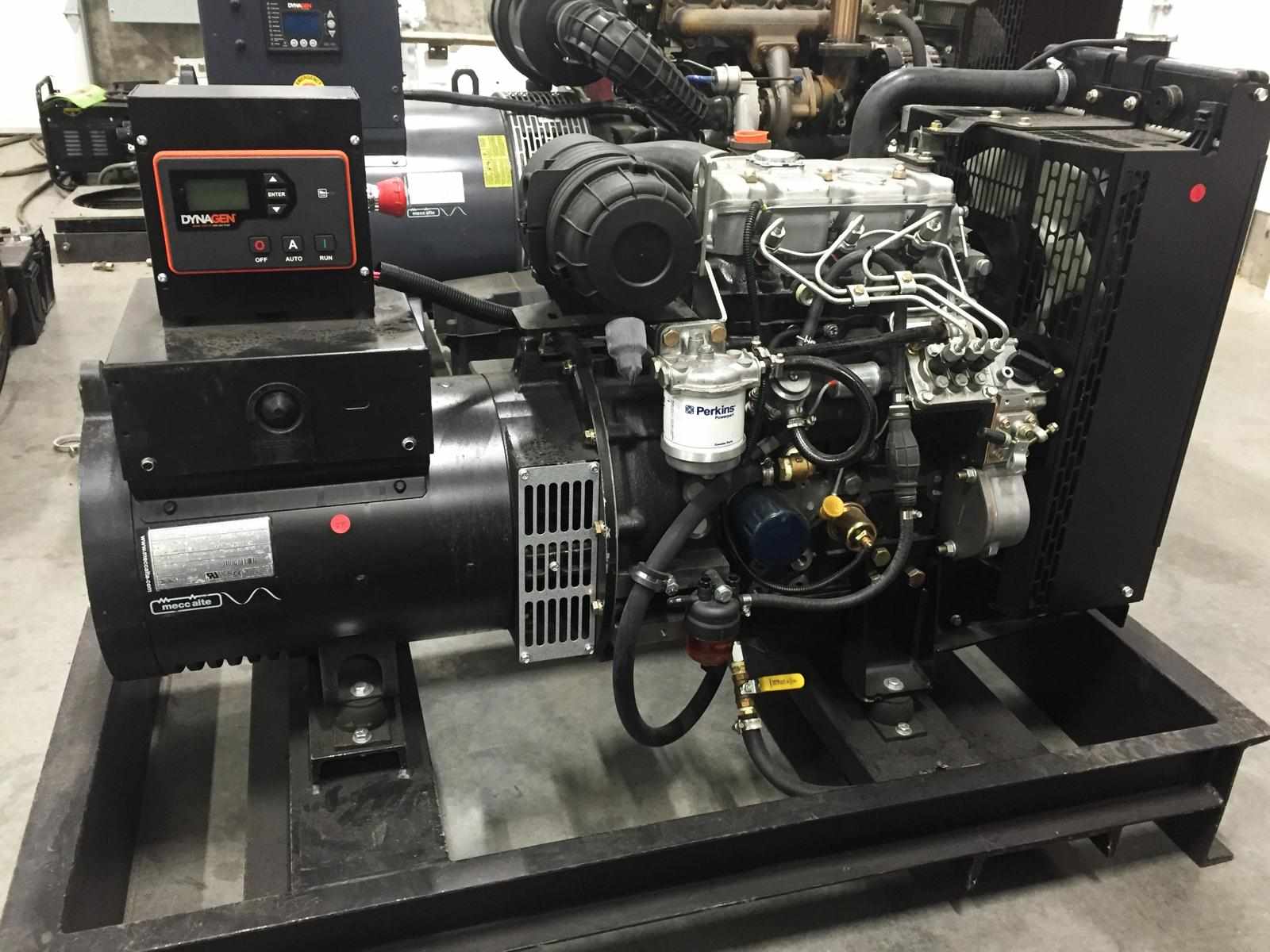
Generator noise is produced by multiple components, including the engine, exhaust system, cooling fans, and vibrations from mechanical movement. Diesel generators, in particular, tend to generate higher noise levels due to combustion pressure and engine size. Without proper sound control, noise levels can easily exceed acceptable limits.
Why Noise Control Is Important
Excessive noise can lead to health issues such as stress, fatigue, and reduced concentration for workers. For nearby residential or commercial areas, generator noise can cause disturbances that result in complaints or legal action. From a business perspective, ignoring noise control can damage reputation and lead to penalties or operational restrictions.
Overview of Generator Noise Regulations in the UAE
Regulatory Authorities and Guidelines
In the UAE, generator noise regulations are governed by local municipalities and environmental authorities, such as the Ministry of Climate Change and Environment and individual emirate-level agencies. These bodies set permissible noise limits for industrial and commercial activities, including generator operation.
Noise limits typically vary depending on the location. Industrial zones allow higher noise thresholds, while residential and mixed-use areas have stricter limits, especially during nighttime hours. Businesses are expected to comply with these limits at all times.
Permitted Noise Levels and Time Restrictions
Most regulations define acceptable noise levels in decibels and may specify different limits for daytime and nighttime operation. Nighttime restrictions are usually stricter to protect residential communities. Businesses operating generators outside permitted hours or above allowed noise levels may face warnings, fines, or shutdown orders.
How Businesses Can Ensure Compliance
Selecting Low-Noise Generator Solutions
One of the most effective ways to comply with noise regulations is to invest in generators designed with sound attenuation features. These include acoustic enclosures, advanced mufflers, and vibration isolation systems. When evaluating options, businesses should consult experienced generators suppliers in uae who understand local noise requirements and can recommend suitable models.
Proper Installation and Placement
Generator placement plays a significant role in noise control. Installing generators away from occupied areas, using sound barriers, and ensuring proper ventilation can significantly reduce noise impact. Poor installation can amplify sound through reflections or structural vibrations, leading to non-compliance even with low-noise equipment.
Regular Maintenance and Testing
Worn components, loose fittings, or faulty exhaust systems can increase noise output over time. Regular maintenance ensures generators operate within specified noise levels. Periodic noise testing can also help businesses identify issues early and demonstrate compliance during inspections.
Penalties and Risks of Non-Compliance
Failure to comply with generator noise regulations can result in serious consequences. Authorities may issue fines, suspend operations, or revoke permits. In some cases, businesses may be required to replace or modify existing generator systems, leading to unexpected costs.
Beyond legal penalties, non-compliance can strain relationships with neighboring businesses or residents. Complaints and disputes can disrupt operations and harm brand image, making proactive noise management a smart business decision.
Also Read this : The Top 8 Common Issues Users Face With Perkins Diesel Generators UAE (and Fixes)
Balancing Power Needs and Community Responsibility
Generator noise regulations are not meant to hinder business operations, but to balance economic activity with public well-being. By understanding and respecting these regulations, businesses can operate responsibly while maintaining reliable power supply.
Modern generator technology makes it easier than ever to achieve this balance. With the right equipment, installation, and maintenance practices, businesses can meet their power needs without causing unnecessary disruption.
Conclusion
Generator noise regulations in the UAE are a critical consideration for businesses that rely on backup or continuous power. Understanding noise limits, choosing the right equipment, and following proper installation and maintenance practices can help businesses stay compliant while protecting their reputation and surrounding environment. For organizations looking to align performance with responsibility, working with knowledgeable partners such as FG Wilson Engineering FZE can be a practical step toward quieter, compliant, and more efficient power solutions.

Write a comment ...